
Target Population: Women and girls across Somaliland, including nomadic communities.
Location: Somaliland.
Duration: 2020.
Donor / Partner: UNFPA.
Primary Goal: Generate evidence on the prevalence, forms, drivers, and attitudes related to FGM/C to guide future protection and abandonment interventions.
Rationale & Context
With support from UNFPA, ACRIF conducted a comprehensive study on Female Genital Mutilation/Cutting (FGM/C) in Somaliland. The study assessed prevalence, drivers, forms, and attitudes toward the practice to provide evidence for future programming. Findings showed that FGM/C remained nearly universal, while severe Type III (Pharaonic) cutting was less common among younger women than among older women.
Key Project Components
Expected Outcomes
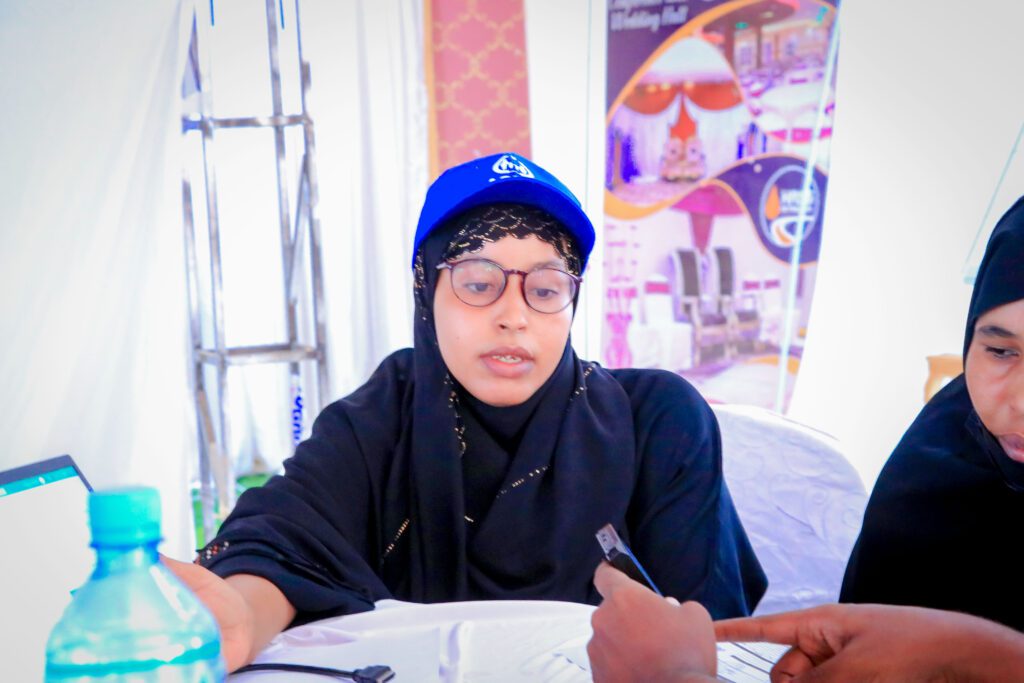
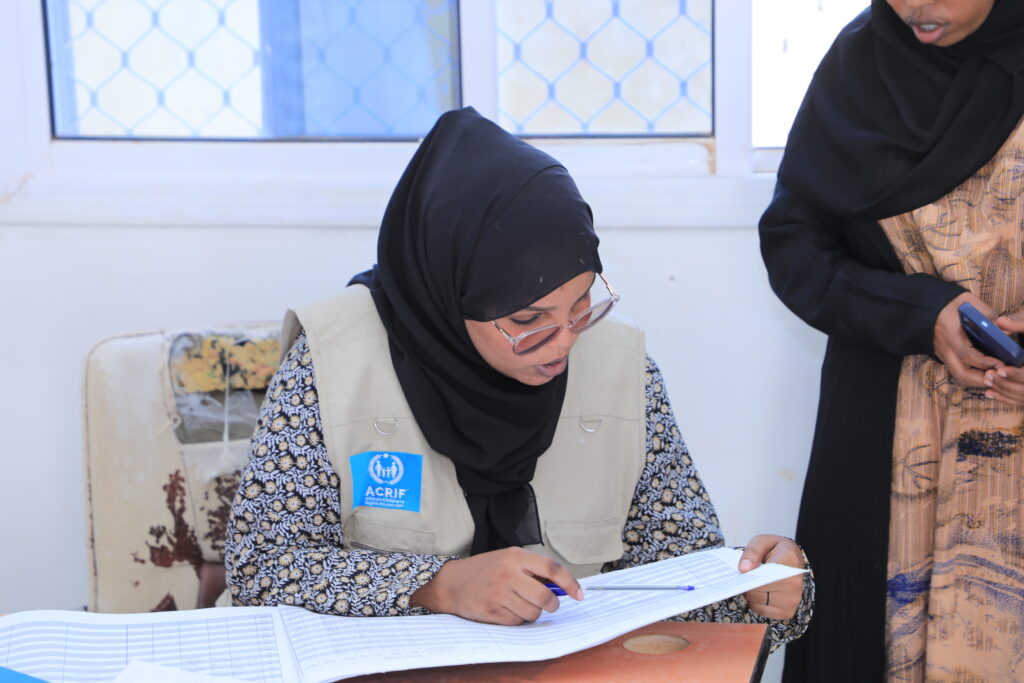

The study generated a comprehensive dataset on FGM/C prevalence and drivers across Somaliland
FGM/C prevalence was reported at 99.2% across Somaliland

of women supported continuation of FGM, while 18.9% opposed continuation

Severe Type III (Pharaonic) cutting affected more than 80% of older women but less than 50% of younger women.

The study found rates above 98% across communities, with the highest prevalence among nomadic women
Their Voices Deserve to Be Heard. Sign up for our newsletter and get updates on critical issues facing African children, and how you can help make a difference.
ACRIF (former ANPPCAN Somaliland) is a development and humanitarian organization that advances children’s rights and equality for girls and boys