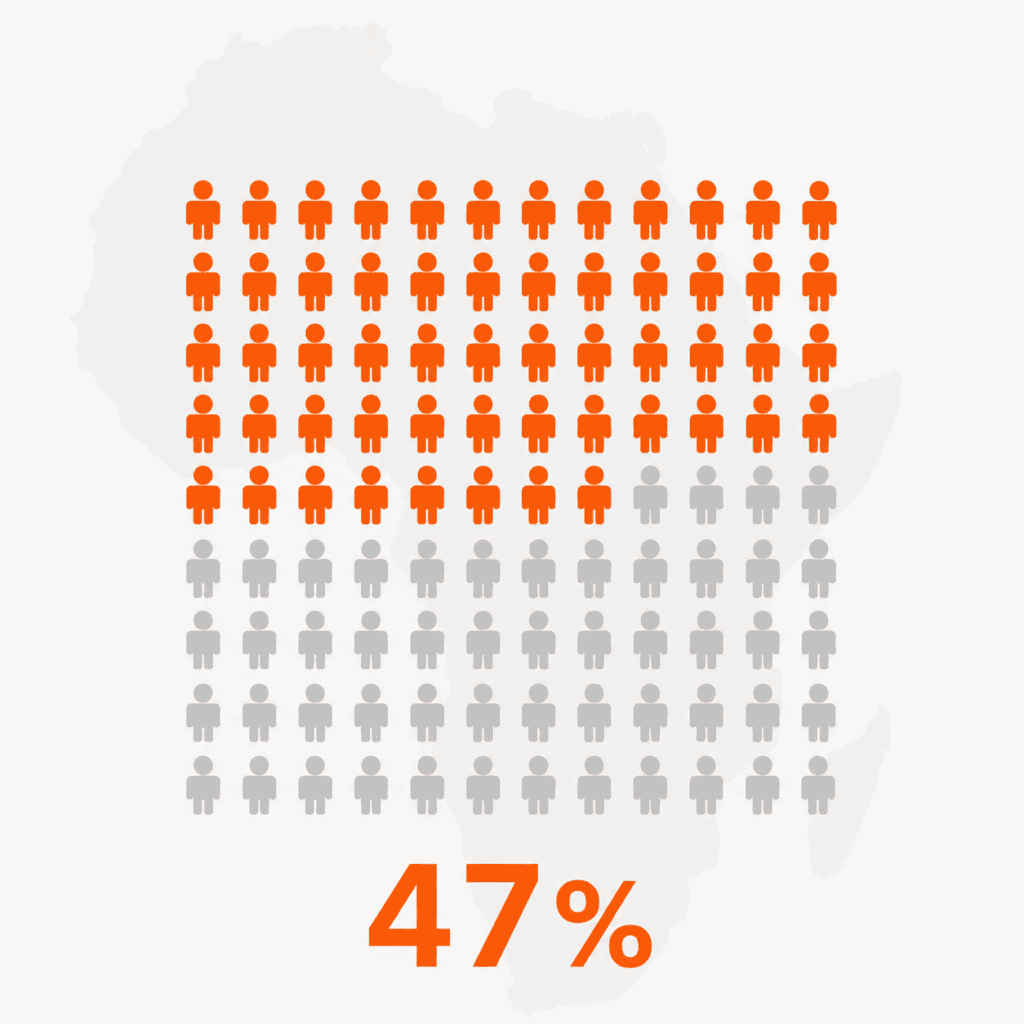
Africa's children are at the heart of the continent's demographic transition, playing a crucial role in shaping its future. Nowhere else in the world are children as central to a region's long-term development as they are in Africa, where nearly half of the population consists of children. As Africa's child population continues to grow, it is poised to surpass all other continents in size by the later part of the 21st century.
Africa is home to an estimated 580 million children, a number that is four times larger than the child population of Europe, making them a vital force for the continent’s future growth and sustainable development.
Almost half of Africa’s total population consists of children, making them a key demographic for the continent’s future growth and development.
One in four children worldwide lives in Africa, highlighting the continent’s significant role in child welfare and development. Their well-being, education, protection, and empowerment are essential to Africa’s future.
According to the United Nations Convention on the Rights of the Child (UNCRC), every child is entitled to fundamental rights that must be protected, respected, and fulfilled by governments, communities, and individuals alike. At ACRIF (African Children's Rights Foundation), we are committed to advancing and safeguarding these rights by implementing integrated programs focused on Six key thematic areas that promote the survival, protection, development, and participation of every child.
Every child, has the right to be protected from all forms of harm, including domestic violence, sexual abuse and all forms of exploitation, child labor, child trafficking, and psychological intimidation. ACRIF is committed to preventing and combating all forms of harmful practices that have a detrimental impact on a child’s development, dignity, and physical and psychological integrity. ACRIF’s six child protection priority areas
Gender-based violence (GBV) and female genital mutilation (FGM) are pervasive issues that violate the rights and dignity of girls and women. ACRIF is committed to ending GBV and FGM through comprehensive programs that include education, legal advocacy, and community engagement and awareness. We also work with survivors to provide medical, psychological, and social support, and empower girls and women to stand up against these harmful practices.
Child labor remains a critical issue in many parts of Africa, where children are often forced into hazardous work due to economic pressures. ACRIF is dedicated to eradicating child labor by working with governments, communities, both International and National Non-Government Organizations to enforce laws that protect children from exploitation.
Child trafficking is a severe violation of children’s rights, involving the recruitment, transportation, and exploitation of minors. ACRIF collaborates with law enforcement, government agencies, and NGOs to prevent child trafficking and provide rehabilitation services for victims. Our initiatives include community education campaigns, strengthening legal frameworks, and offering support services such as counseling, Healthcare, education, and vocational training for rescued children.
ACRIF works to end child marriage by raising awareness of its detrimental effects on girls’ health, education, and future prospects. Child marriage is a widespread practice in many African countries, often driven by poverty, cultural traditions, and lack of education. We support communities through our programs that promote the rights of girls, provide education and vocational training, and engage local leaders and families in the fight against child marriage.
Child labor remains a critical issue in many parts of Africa, where children are often forced into hazardous work due to economic pressures. ACRIF is dedicated to eradicating child labor by working with governments, communities, and both International and National Non-Government Organizations to enforce laws that protect children from exploitation.
Children in conflict with the law are entitled to protection, fair treatment, rehabilitation, and reintegration. ACRIF is committed to safeguarding their rights by promoting child-friendly justice systems, ensuring access to legal protection and psychosocial support, reducing stigma and discrimination, and helping children successfully reintegrate into their families, schools, and communities to build a positive future.
Every child has the right to a safe, healthy diet and adequate daily nutrition. ACRIF supports this through maternal and child nutrition programs, including Infant and Young Child Feeding (IYCF), home-based food fortification with micronutrient powders (MNP), specialized nutritious foods for children aged 6–23 months and pregnant and lactating women (PLW), staff capacity building, and policy advocacy under the Scaling Up Nutrition (SUN) movement. ACRIF also empowers agro-pastoral communities through improved seeds, sustainable farming practices, market access, natural resource management, fertilizer and seed distribution, modern agricultural techniques, and watershed management to strengthen food security, productivity, economic growth, and long-term sustainability.
ACRIF engages in advocacy and policy support to promote nutritional well-being at the national and regional levels. We collaborate with governments, NGOs, and international organizations to develop and implement policies that address malnutrition and food insecurity. Our efforts include research, capacity building, and the promotion of evidence-based interventions that improve nutrition outcomes for children and their families.
ACRIF focuses on improving maternal and child nutrition through initiatives such as breastfeeding promotion, micronutrient supplementation, and education on healthy eating practices. Nutrition during pregnancy, infancy, childhood, and adolescence is vital for growth and development. We work with healthcare providers and communities to ensure that mothers and children receive the nutrition they need for a healthy start in life.
ACRIF provides therapeutic feeding programs, including ready-to-use therapeutic foods (RUTF) and medical care for severely malnourished children. We also offer support for moderate acute malnutrition through supplementary feeding programs, ensuring that children receive the necessary nutrients to recover and thrive.
ACRIF promotes sustainable agriculture through kitchen and school gardening initiatives to enhance food security, nutrition, and environmental stewardship. Kitchen gardens provide families with fresh, nutritious food while also generating income through surplus produce. School gardens serve as hands-on learning spaces, teaching children about agriculture, nutrition, and sustainability while contributing to school meal programs. Through training, resources, and advocacy.
Ensuring food safety is crucial for the health and well-being of children and the communities we work with. ACRIF implements programs that engage communities about safe food handling practices, proper storage, and preparation methods. We work with local governments, Local NGOs and International NGOs to establish and enforce food safety regulations, reducing the risk of foodborne illnesses and ensuring access to safe, nutritious food.
Ensuring children have access to nutritious food is fundamental to their healthy growth, development, and overall well-being. However, many children face micronutrient deficiencies that can hinder their physical and cognitive development, impacting their ability to learn, thrive, and reach their full potential. Food fortification – the process of adding essential vitamins and minerals to commonly consumed foods – offers a cost-effective and sustainable strategy to address these widespread nutritional gaps.
ACRIF promotes sustainable agriculture through kitchen and school gardening initiatives to enhance food security, nutrition, and environmental stewardship. Kitchen gardens provide families with fresh, nutritious food while also generating income through surplus produce. School gardens serve as hands-on learning spaces, teaching children about agriculture, nutrition, and sustainability while contributing to school meal programs. Through training, resources, and advocacy.
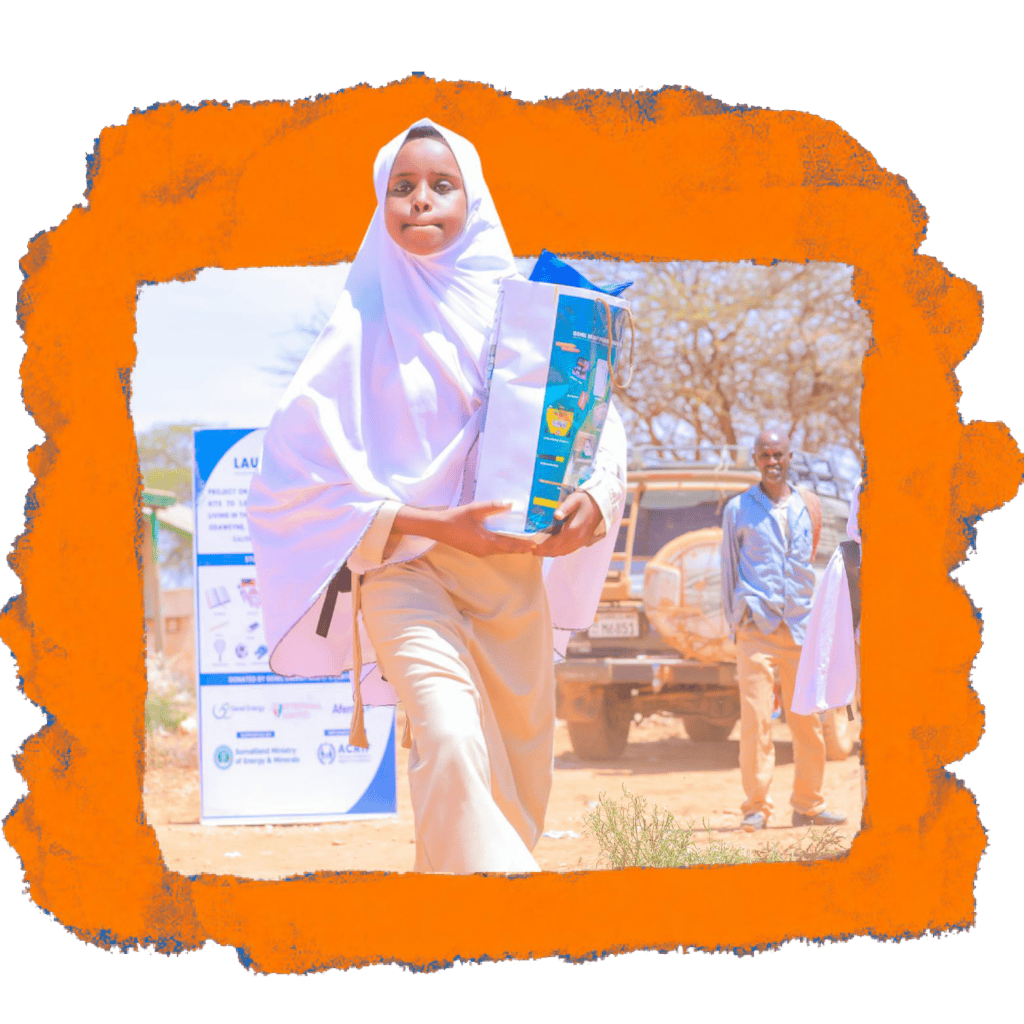
ACRIF advocates for every child’s right to free education and play, ensuring inclusivity regardless of gender, background, or ability. Using a systems approach, ACRIF collaborates with key stakeholders to create a protective and supportive environment for all children, particularly the most vulnerable. Its strategy focuses on increasing access to quality education and equipping children with essential life skills. ACRIF prioritizes six key areas, including early childhood development, primary education, and inclusive sports and recreation. Additionally, it actively promotes and safeguards every child’s right to play, recognizing its crucial role in their overall well-being and development.
Early childhood is a critical period for cognitive, social, and emotional development. ACRIF implements early childhood care and development programs that provide young children with stimulating and nurturing environments. These programs include access to early learning, health services, and parental support, ensuring that children are well-prepared for the challenges of primary education and beyond.
ACRIF works to increase enrollment and retention rates in primary schools, especially for marginalized and vulnerable children. We support initiatives that improve the quality of education, including teacher training, provision of learning materials, and the creation of child-friendly learning environments.
ACRIF promotes school health and nutrition programs that provide regular health check-ups, immunizations, and nutritious meals for students. We also educate children on healthy lifestyles, hygiene, and nutrition, ensuring that they have the knowledge and resources to stay healthy and succeed academically.
ACRIF advocates for the inclusion of regular physical education classes in schools, providing training for teachers and resources for schools to implement effective programs. We emphasize the importance of physical activity for academic performance and long-term health.
ACRIF promotes vocational skills development as part of ensuring children’s right to education and holistic development. Through skills-based learning and training opportunities, children and young people are empowered with practical knowledge, creativity, and livelihood skills that enhance their confidence, independence, and future opportunities. These initiatives support inclusive education by equipping learners with the tools needed for personal growth, economic resilience, and meaningful participation in their communities.
Every child is entitled to have access to quality preventive, promotive, curative, and rehabilitative services, and to enjoy the highest attainable standard of health. Our strategy focuses on improving the health of vulnerable children, adolescents, and women of reproductive age.
We address the leading causes of maternal, newborn, under-five child, and adolescent illness and mortality. Interventions focus on behavior change, community system strengthening, health system strengthening and advocacy at individual, family, community and service provider levels.
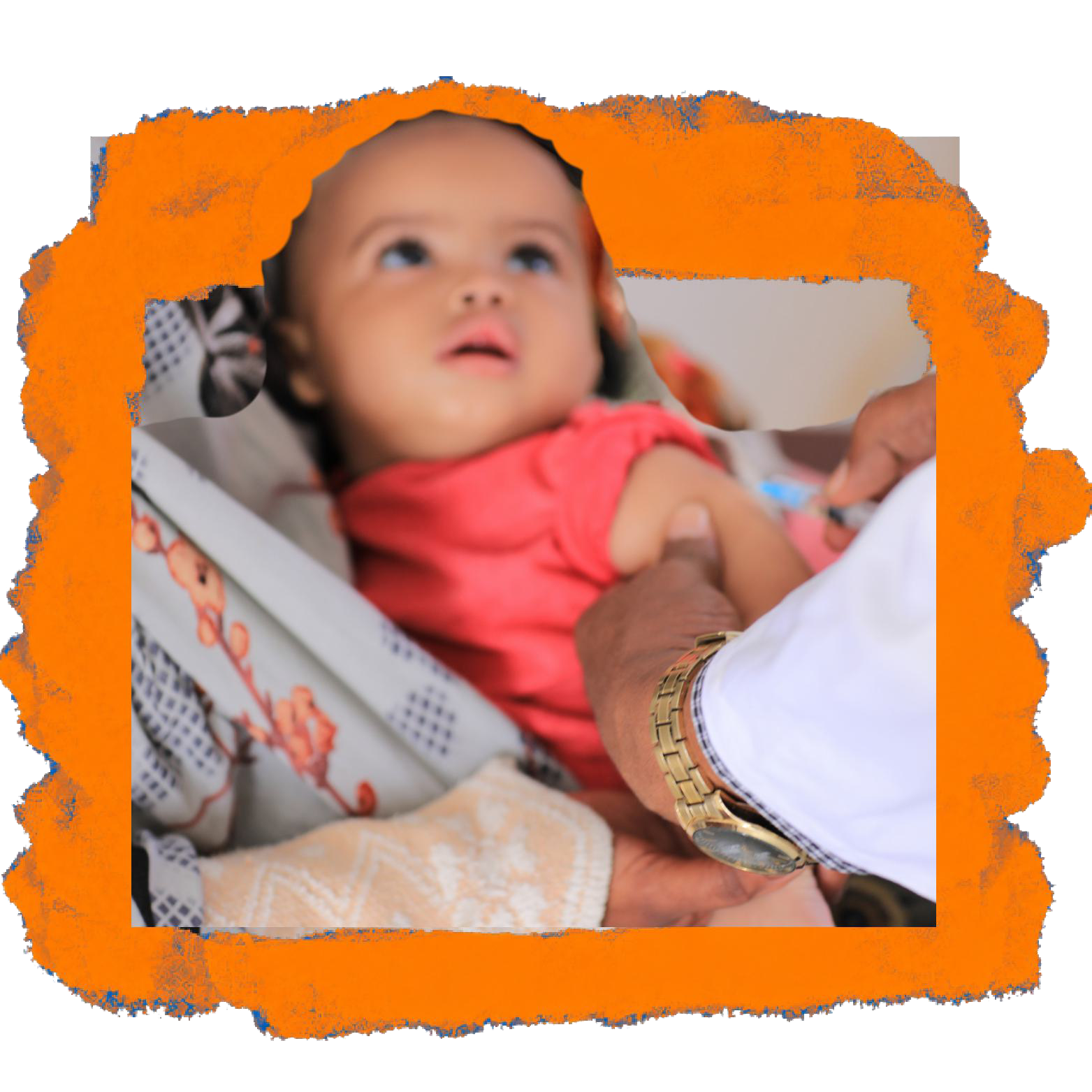
ACRIF focuses on comprehensive healthcare programs that address the unique needs of children. We provide immunizations, regular health check-ups, and treatment for common childhood illnesses throughout multiple health facilities at both national and regional level sites. Our programs also include health education for children and their caregivers, promoting healthy lifestyles and preventive care.
ACRIF provides prenatal and postnatal care, and education on reproductive health. Maternal and reproductive health is a critical component of our healthcare programs. We aim to reduce maternal and infant mortality by ensuring that women have access to skilled healthcare providers, safe delivery services, and the knowledge to make informed decisions about their reproductive health.
Health emergencies, such as disease outbreaks or natural disasters, children are particularly vulnerable. ACRIF Implements emergency response programs that providing immediate medical care, nutritional support, and psychosocial services. We also work on strengthening health systems to better prepare for and respond to future emergencies, ensuring that children’s health needs are met promptly and effectively.
ACRIF promotes Adolescent Sexual and Reproductive Health and Rights (ASRHR) to ensure young people have access to accurate information, essential health services, and the support needed to make informed decisions about their well-being. Through awareness, education, and community engagement, ACRIF empowers adolescents with knowledge on sexual and reproductive health, promotes healthy behaviors, and strengthens protection from harmful practices, contributing to healthier, safer, and more empowered generations.
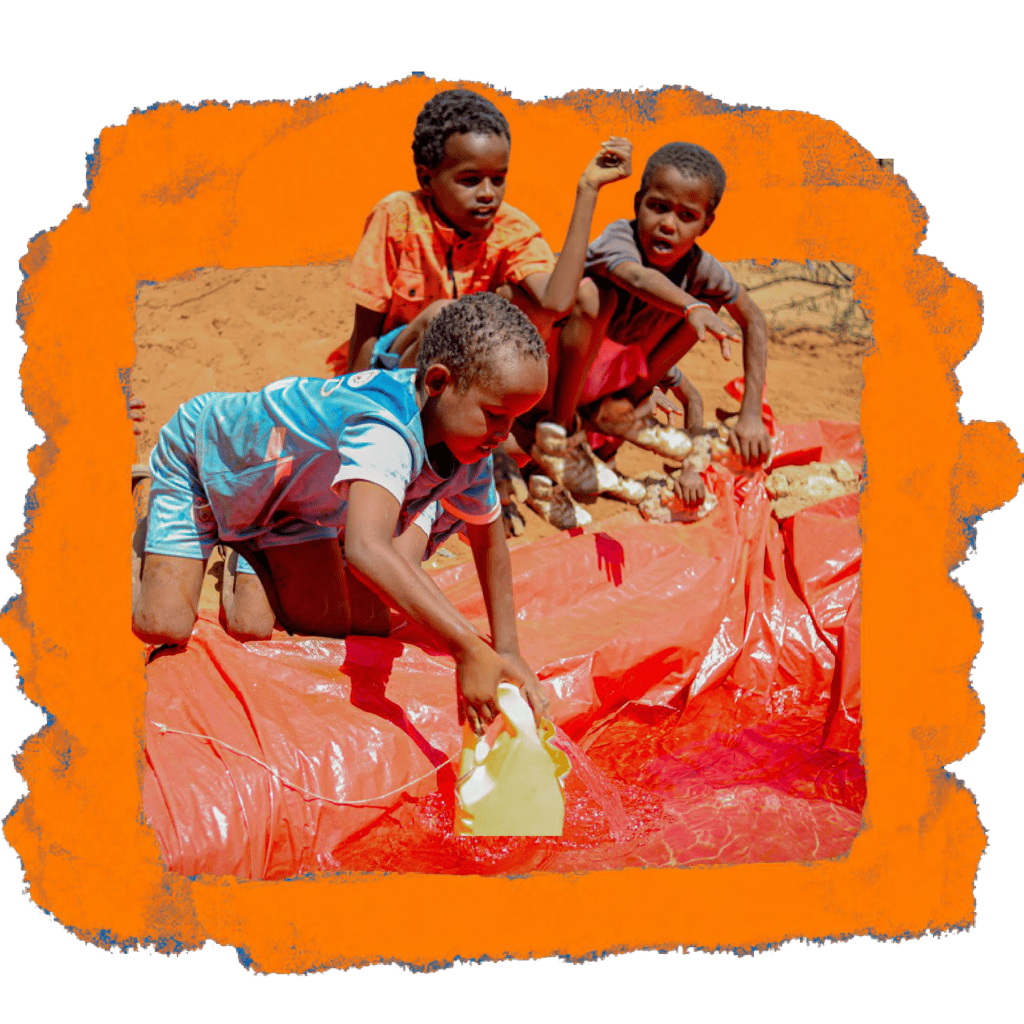
ACRIF’s WASH (Water, Sanitation, and Hygiene) programs ensure that every child has access to safe water, sanitation, and a clean environment, which are vital for their health and well-being. The initiatives focus on supplying safe water, providing and maintaining inclusive sanitation facilities, emergency water trucking during crises, and promoting hygiene through community-led approaches. ACRIF also empowers children and vulnerable groups to participate in WASH decision-making, fostering sustainable and equitable access to essential services for all.
ACRIF ensures access to safe water, sanitation, and hygiene through sustainable WASH programs and emergency response efforts. By providing clean water, inclusive sanitation, and hygiene education, we promote health and prevent disease. In crises, we deliver rapid water trucking, sanitation solutions, and hygiene support to protect vulnerable communities.
ACRIF strengthens WASH services in health facilities and schools to ensure safe water, sanitation, and hygiene for students, patients, and staff. We provide clean water access, gender-inclusive sanitation, and hygiene education to create healthier learning and healthcare environments, reducing disease risks and promoting well-being.
ACRIF promotes sustainable waste management through recycling, safe disposal, and community cleanliness. Working with local governments, we reduce environmental pollution and protect public health. Special focus is given to managing medical waste in health facilities to prevent contamination and ensure safety.
ACRIF promotes Community-Led Total Sanitation (CLTS) to improve access to safe water, sanitation, and hygiene while strengthening community ownership of healthy practices. Through awareness, behavior change initiatives, and community engagement, CLTS empowers communities to eliminate open defecation, improve sanitation facilities, and promote hygienic environments. These efforts contribute to reducing disease, protecting children’s health, and ensuring every child’s right to a safe and healthy living environment.
Every child has the right to grow up in a safe, healthy, and sustainable environment that is resilient to the impacts of climate change. Climate change disproportionately affects Africa, increasing the risks of droughts, floods, extreme heat, food insecurity, water scarcity, displacement, and threats to children’s health and well-being.
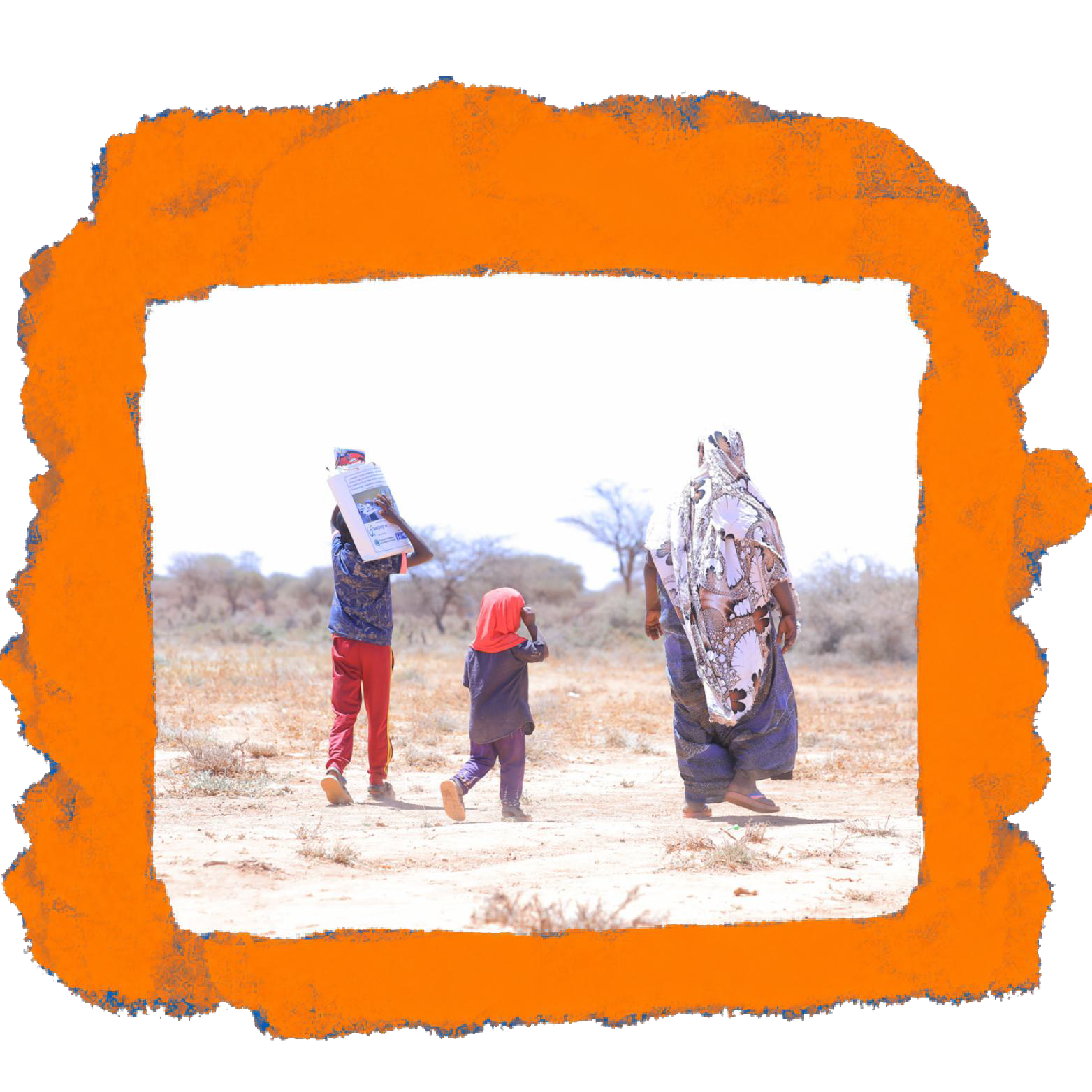
Climate change threatens children’s survival, development, and well-being, particularly among vulnerable communities. ACRIF strengthens community resilience through climate awareness, indigenous knowledge, and locally driven adaptation solutions that protect children and families from climate-related risks.
Climate change affects children’s access to nutritious food and safe water through droughts, environmental degradation, and changing agricultural conditions. ACRIF promotes climate-smart farming, sustainable water use, and resilient food systems to safeguard children’s nutrition and long-term well-being.
Children face increased risks during climate-related disasters, including displacement, loss of livelihoods, and disruption of essential services. ACRIF supports early warning systems, community disaster committees, and climate risk mapping to strengthen preparedness and protect children during emergencies.
Their Voices Deserve to Be Heard. Sign up for our newsletter and get updates on critical issues facing African children, and how you can help make a difference.
ACRIF (former ANPPCAN Somaliland) is a development and humanitarian organization that advances children’s rights and equality for girls and boys