Nourish-to- Learn

Nourish-to- Learn

Project Overview

  • Target Population: Adolescent girls aged 10–19 enrolled in public schools.
  • Location:  6 primary and secondary schools in high malnutrition burden areas in Somaliland.
  • Duration: 24 months.
  • Primary Goal: Reduce the prevalence of anemia and improve nutritional literacy among school-going adolescent girls.
 

Rationale & Context

Lack of micronutrients leads to delayed mental development, poor school performance, and reduced intellectual capacity. According to the UNICEF Micronutrient Survey 2019, prevalence of iron-deficiency anemia among adolescent girls stands at 49%. Folate (Vitamin B9) deficiency among adolescent girls stands at 35%. Cobalamin (Vitamin B12) deficiency among adolescent girls is estimated at 37%. Only 6% of adolescent girls received 90+ of iron and folic acid supplementation. Less than 5% of adolescent girls received de-worming treatment.

Key Project Components

        1. Iron Polic Acid ( IFA ) Supplementation

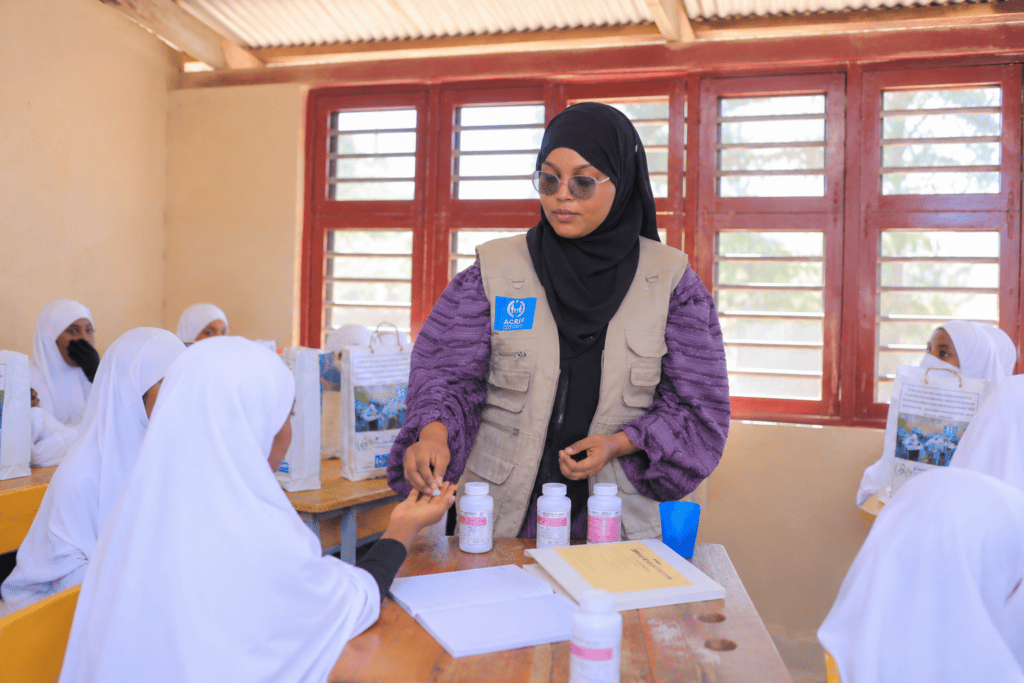
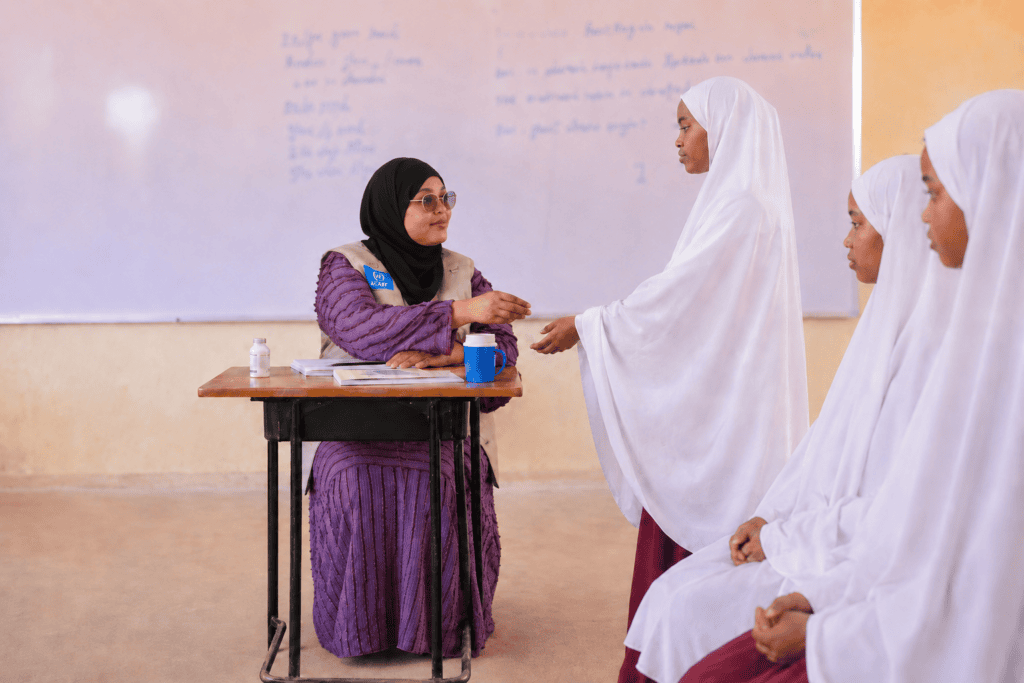
  • Distribute weekly IFA supplements to all adolescent girls in the targeted schools.
  • Carryout bi-annual de-worming campaigns and distribute albendazole to all adolescent girls in the target schools to treat intestinal worms and maximize iron absorption.
  • Update school-logbooks on regular basis to monitor weekly supplement intake and track compliance.
  • Carryout Vitamin A supplementation campaigns twice a year
 
  1. Social and Behavior Change Communication (SBCC)
  • Establish nutrition clubs in 6 pilot schools to drive peer-to-peer education and promote healthy eating habits.
  • Increase dietary diversity awareness among students, parents and community members
  • Develop simple, culturally appropriate nutrition teaching guides.
  • Conduct nutrition promotion sessions for parents to address undernutrition in adolescent and dietary taboos.
 
  1. School Environment Enhancement
  • Iron-Rich Canteens: Training school vendors to provide school meals fortified with essential vitamins and minerals.
  • Ensuring clean drinking water access for tablet consumption.
 

Expected Outcomes

  • Biological: Reduction in local anemia prevalence among participating girls.
  • Behavioral: Increased daily consumption of diverse, iron-rich local foods.
  • Educational: Improved school attendance and cognitive performance.

Project Impact

6,746

adolescent girls were reached through the intervention.

97%

consumed the recommended IFA supplements over a 3-month cycle.

93%

were treated against intestinal worms.

47%

of girls consumed the recommended ≥5 food groups daily.

62%

average nutrition knowledge score increased from 8% to 62%.

Reduced Absenteeism

monthly absenteeism dropped by 1.5 days per student due to reduced illness.