
Project Overview
Target Population: Civil society organizations, policymakers, parliamentarians, development partners, private sector actors, academia, media, and other nutrition stakeholders.
Location: Somaliland.
Duration: January 2018 to December 2025.
Donor / Partner: WHH/BMZ and UNOPS (Global Grant – SUN Movement Pooled Fund).
Primary Goal: Strengthen civil society coordination and influence nutrition governance, policy, advocacy, and resource allocation in Somaliland.
Rationale & Context
ACRIF worked to elevate nutrition on the political and public agenda and strengthen civil society leadership in nutrition governance. The initiative expanded the Somaliland Civil Society Network for Scaling Up Nutrition (SLCSN-SUN), supported policy development, organized advocacy and consultative forums, and increased civil society participation in high-level nutrition dialogue.
Key Project Components
Expected Outcomes
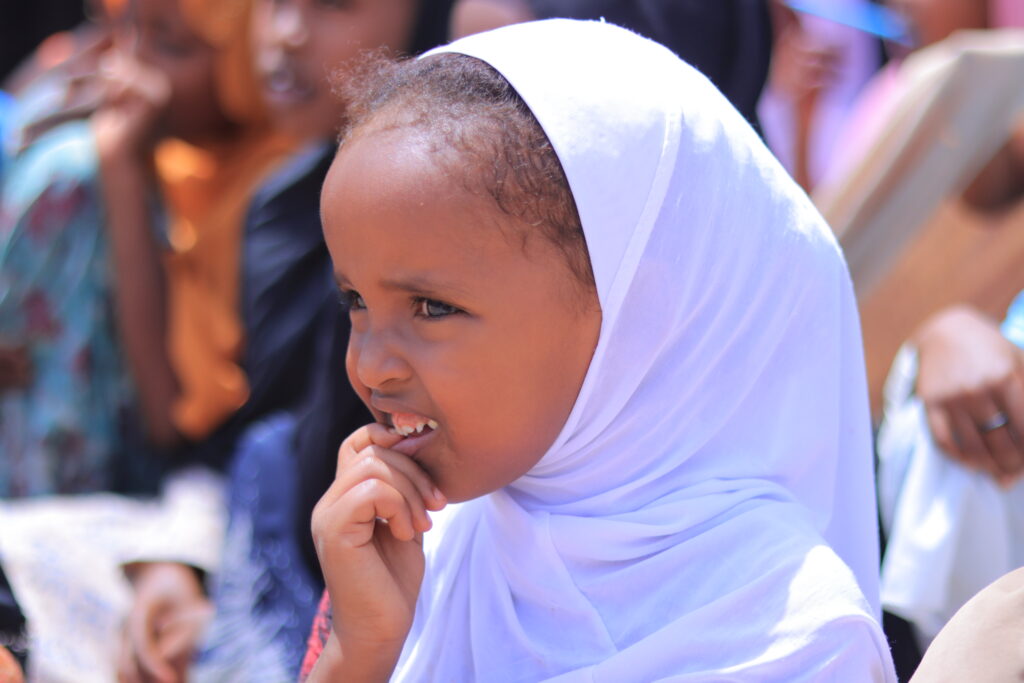
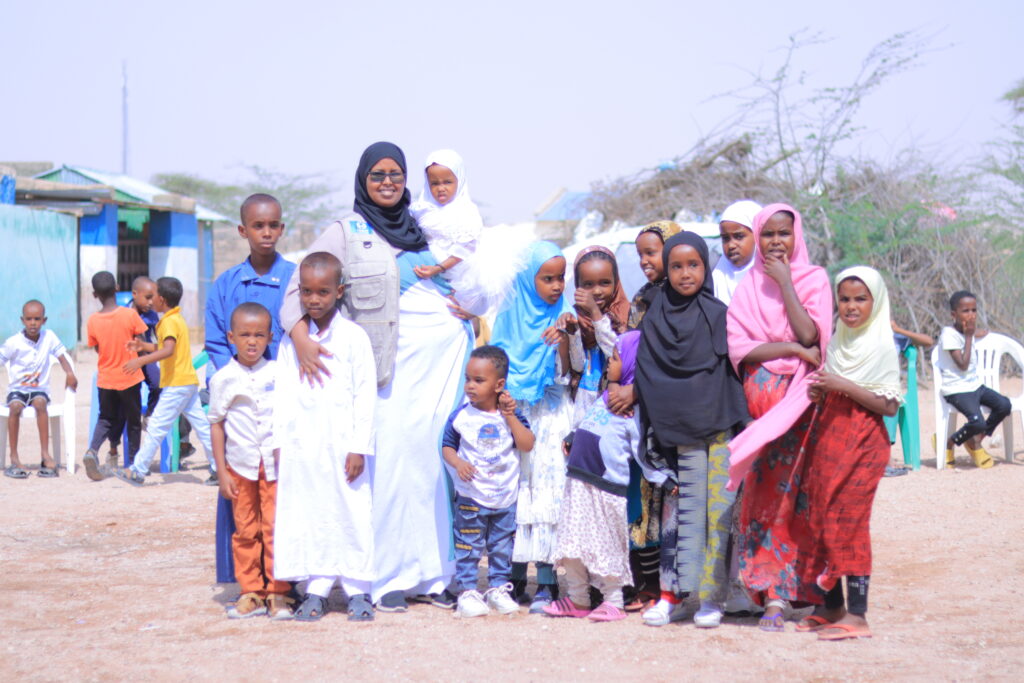
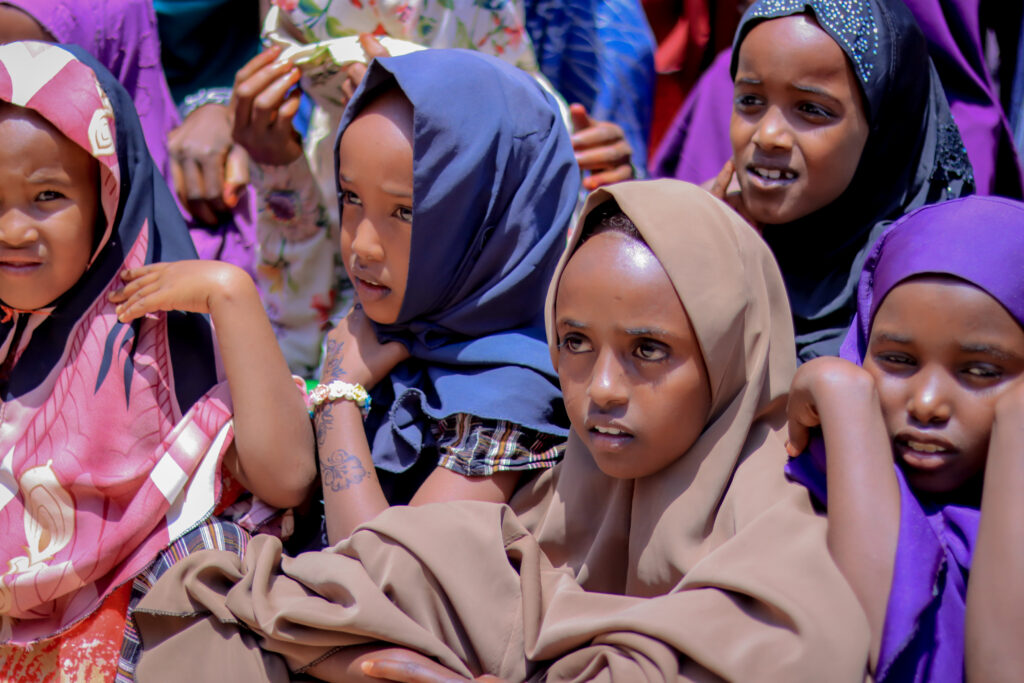

20 primary schools received basic education, hygiene, and sports kits.

220 school principals and focal teachers were oriented on Child Rights Governance objectives, strengthening their role in supporting child participation in school governance.
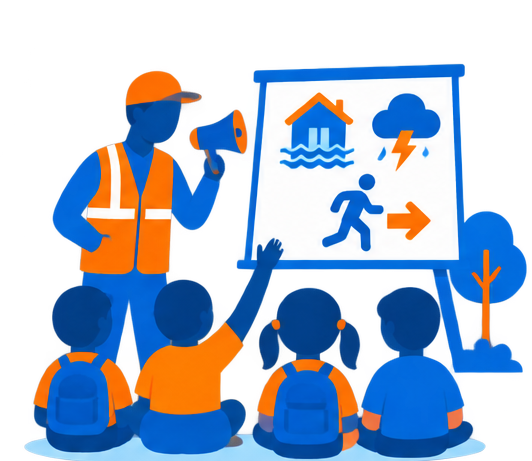
14,805 boys and girls in primary schools were trained on Child-Centered Disaster Risk Reduction.
Their Voices Deserve to Be Heard. Sign up for our newsletter and get updates on critical issues facing African children, and how you can help make a difference.

ACRIF (former ANPPCAN Somaliland) is a development and humanitarian organization that advances children’s rights and equality for girls and boys